SQA-6100vet
Fully Automated Veterinary CASA System
SQA-6100vet
Fully Automated Veterinary CASA System
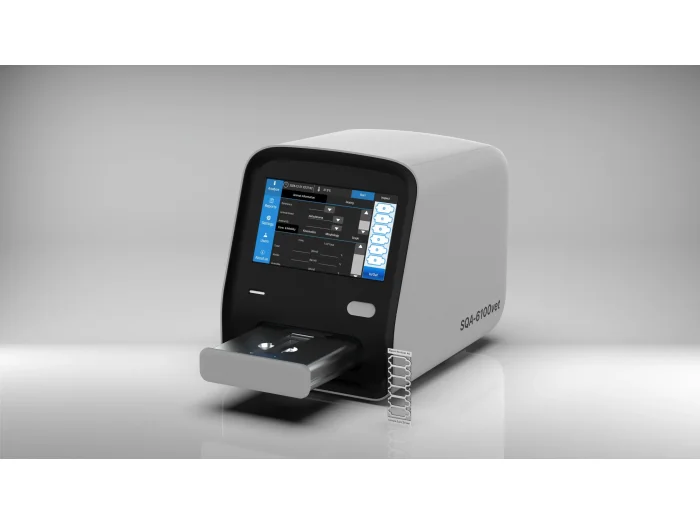
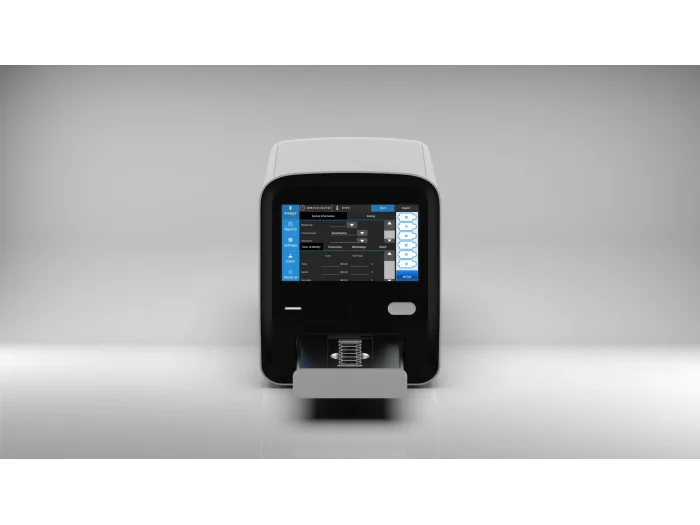
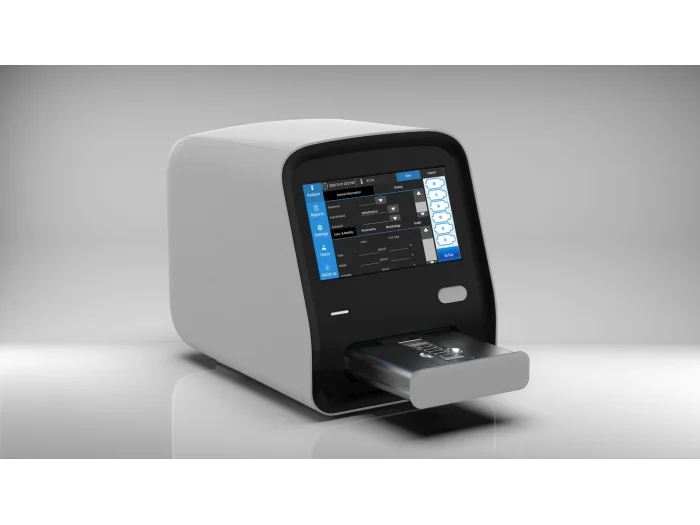
SQA-6100vet represents the pinnacle of veterinary reproductive technology. This revolutionary fully automated CASA system delivers unmatched accuracy and reproducibility in animal sperm parameter evaluation, it can work as a standalone all-in-one system which has big advantages in on field and portable situation and can also work with the dedicated PC software for more user-friendly data management.
Key Features
- Fully automated
- Touch screen
- Built-in Heating Stage
- Standalone all-in-one system
- Advanced Gaussian dynamic AI image algorithm
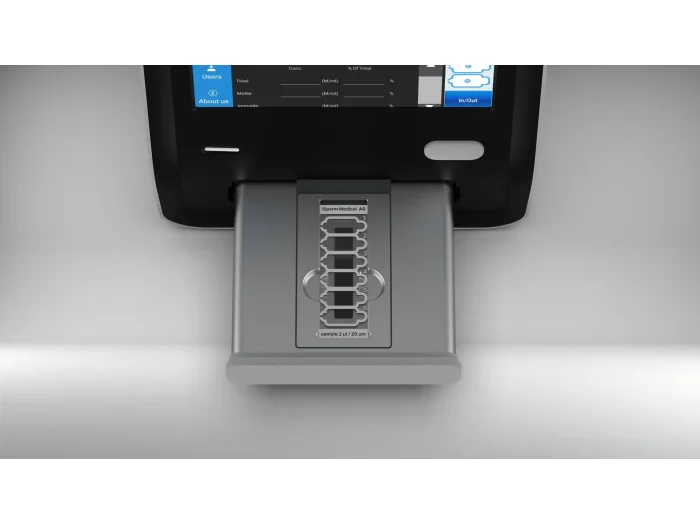
- Counting chamber: Enhanced/Coated 6-chamber, fixed-depth 20μm
- As fast as 15 seconds analysis time, selectable multiple fields of view
- Supports video playback
- Supports external barcode scanner
- PC workstation
- Supports multi-species
Analysis Parameters
Concentration and Motility
- Total sperm count
- Motile sperm
- Immotile sperm
- Progressive and slow sperm
- Non-progressive sperm
Kinematics
- DCL, DSL, DAP
- VCL, VSL, VAP
- ALH, MAD, BCF
- LIN, WOB, STR
Morphology
- Normal and Abnormal sperm
- Head defects
- DMR
- Distal Droplet
- Proximal Droplet
- Bent Tail
- Coiled Tail
Dosing
- Auto calculate number of doses based on extender times, sample volume, sperm number, etc.
The Thermal Integrity Advantage
Why built-in temperature control is essential for accurate CASA analysis
In the world of andrology, "Motility is Temperature." The SQA-6100vet features an internal, real-time heating stage that maintains samples at physiological temperatures (37°C) throughout analysis. This critical feature ensures that sperm motility is measured under life-like conditions, preventing false "Unsatisfactory" diagnoses caused by cold shock.
The Challenge
Animal sperm are extremely sensitive to temperature changes. A drop of just 2-3°C can cause immediate motility loss, leading to inaccurate results.
The Solution
The SQA-6100vet's integrated heating stage maintains constant 37°C throughout analysis, revealing true progressive motility as it exists in the animal's reproductive tract.
Scientific Standards Compliance
The SQA-6100vet is designed to align with leading veterinary andrology standards and guidelines. Our system supports compliance with established protocols for breeding soundness examination across multiple species.
Society for Theriogenology (SFT)
Compliant with SFT guidelines for Bull, Ram, and Equine Breeding Soundness Examination (BSE/EBSE). Supports standardized evaluation protocols.
Multi-Species Protocols
Species-specific algorithms ensure accurate parameter evaluation.
Field & Laboratory Use
Portable design enables on-site BSE examinations while maintaining laboratory-grade precision. Ideal for seedstock producers and veterinary clinics.
Research Validation
Technology validated by peer-reviewed research and used in academic institutions worldwide for reproductive research and clinical practice.
Explore Veterinary Standards: Visit our Knowledge Hub for detailed guides on breeding soundness examination standards and best practices. Knowledge Hub